Optimal Timing for Concrete Countertop Installation
Concrete countertop installations are best scheduled during specific weather conditions to ensure optimal curing and durability. Temperature, humidity, and seasonal factors significantly influence the quality and longevity of the finished surface. Proper timing reduces the risk of cracking, warping, or other issues that can compromise the countertop's appearance and functionality.
Concrete cures best when temperatures are between 50°F and 80°F. Extreme cold or heat can hinder proper setting and curing processes.
Spring and early fall often provide moderate weather conditions suitable for installation, avoiding the risks associated with winter cold and summer heat.
Scheduling installations during periods of stable weather minimizes exposure to rain, high humidity, or temperature fluctuations that can affect curing.
Allow sufficient time for surface preparation and drying before installation, which varies based on climate conditions.
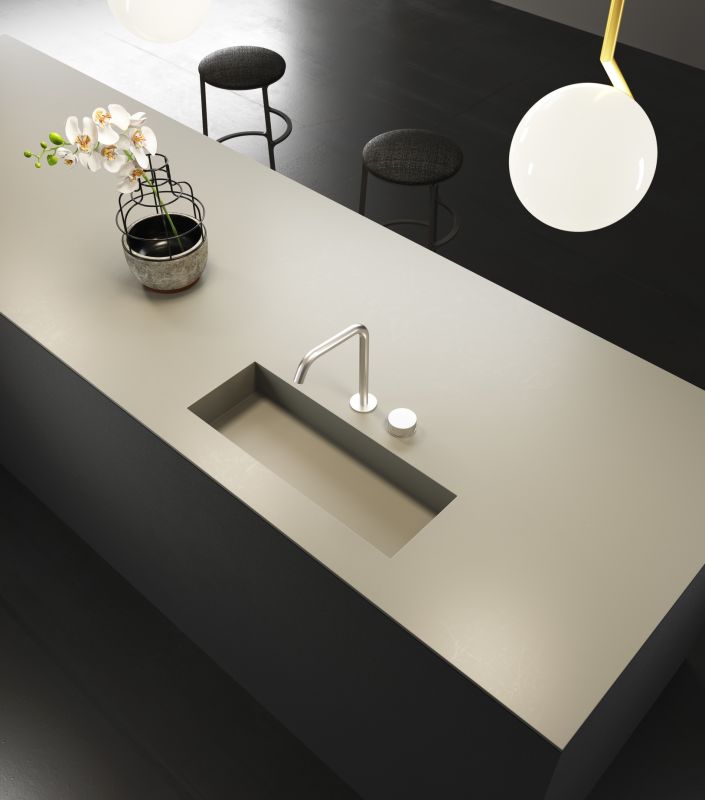
Spring offers moderate temperatures conducive to curing and reduces risks associated with winter cold.

Summer requires precautions against high temperatures and rapid drying, which can cause cracking.

Early fall provides cooler, stable weather ideal for concrete curing and installation.

Ways to make Concrete Countertop Installations work in tight or awkward layouts.

Popular materials for Concrete Countertop Installations and why they hold up over time.

Simple add-ons that improve Concrete Countertop Installations without blowing the budget.

High-end options that actually feel worth it for Concrete Countertop Installations.

Finishes and colors that play nicely with Concrete Countertop Installations.
Concrete countertops are a popular choice for their durability, customizability, and aesthetic appeal. They can be fabricated in various shapes and finishes, making them suitable for both residential and commercial applications. Proper timing of installation ensures the concrete cures effectively, resulting in a resilient and visually appealing surface.
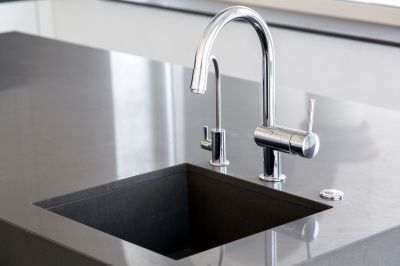
Showcasing a smooth, polished surface with custom coloring.
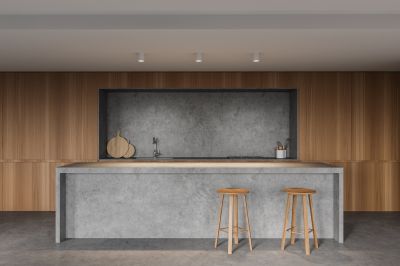
Forming and pouring stages captured in a well-lit workspace.
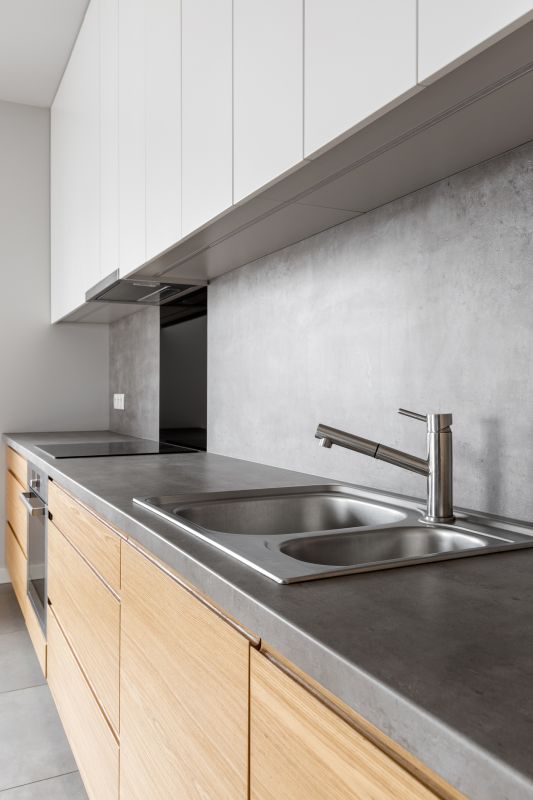
A sleek, contemporary design emphasizing durability and style.
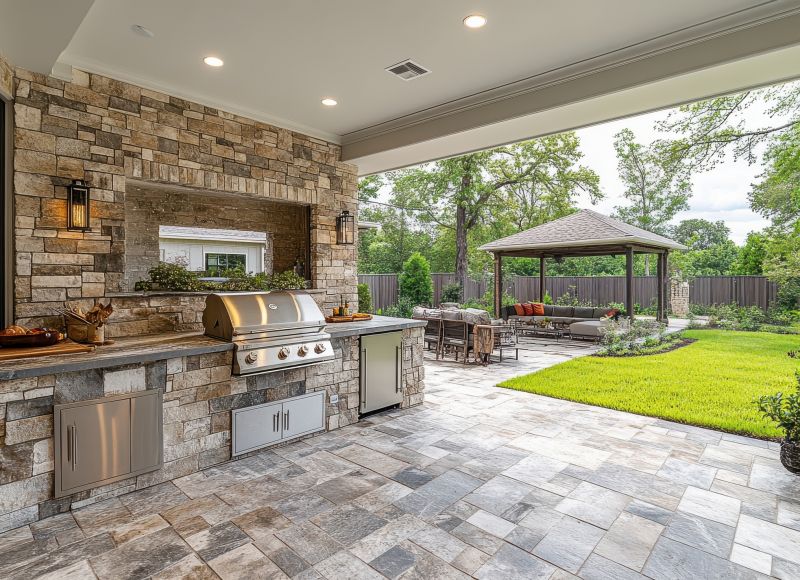
Weather-resistant surface suitable for outdoor kitchens.
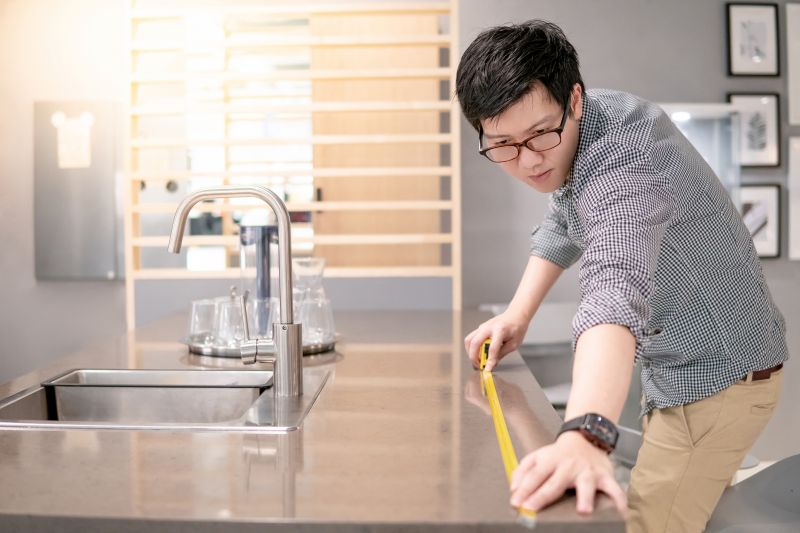
Little measurements that prevent headaches on Concrete Countertop Installations day.
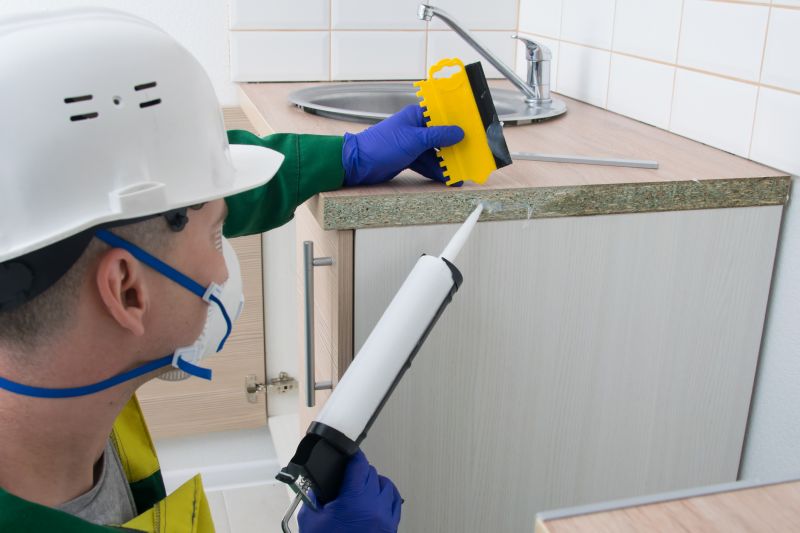
A 60-second routine that keeps Concrete Countertop Installations looking new.
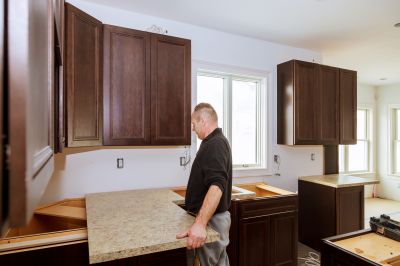
A frequent mistake in Concrete Countertop Installations and how to dodge it.
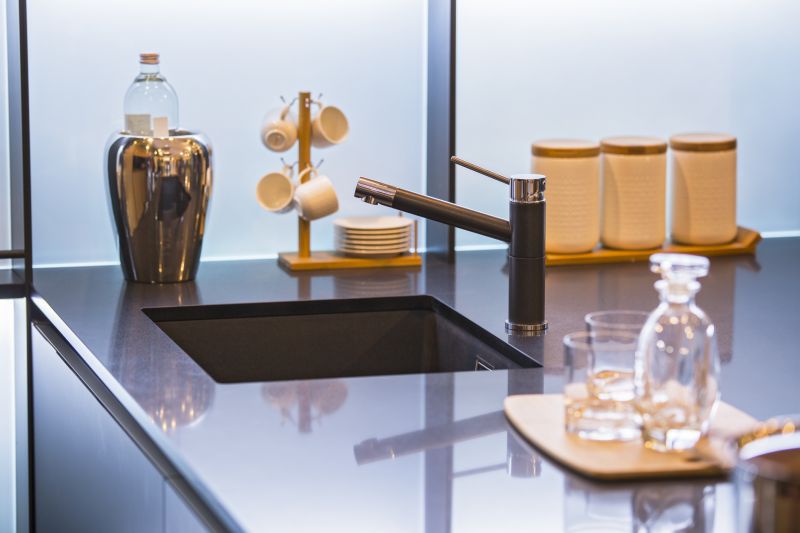
Small tweaks to make Concrete Countertop Installations safer and easier to use.
| Factor | Optimal Conditions |
|---|---|
| Temperature | 50°F to 80°F |
| Humidity | Moderate levels |
| Season | Spring or early fall |
| Weather Stability | Clear, dry days |
| Preparation Time | Adequate drying and curing period |
Scheduling concrete countertop installations during favorable weather conditions enhances the curing process, ensuring a durable and high-quality surface. Proper timing minimizes the risk of defects and extends the lifespan of the countertops, making it a crucial step in the installation process.
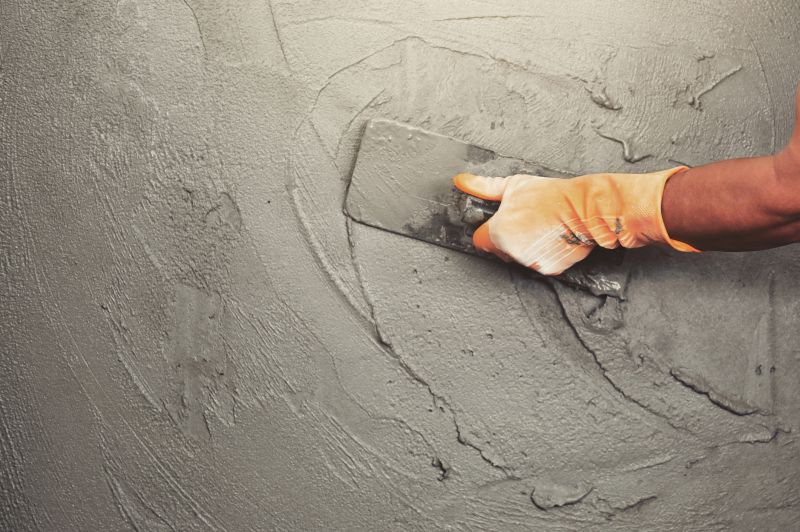
Detailing the texture and finish of a cured countertop.
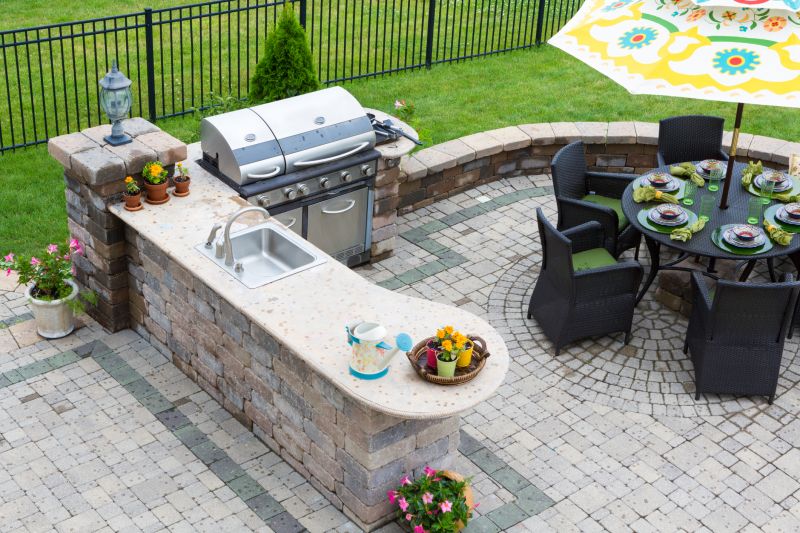
Installation completed in suitable weather conditions.
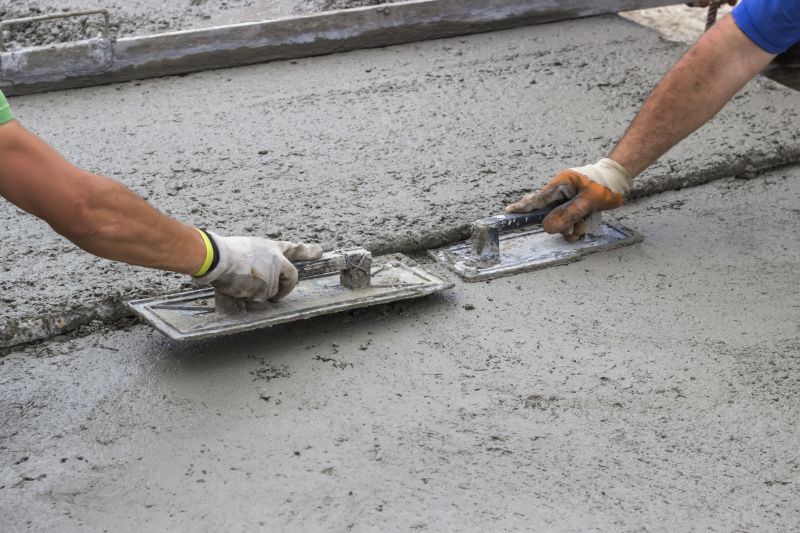
Preparation stage before pouring and curing.
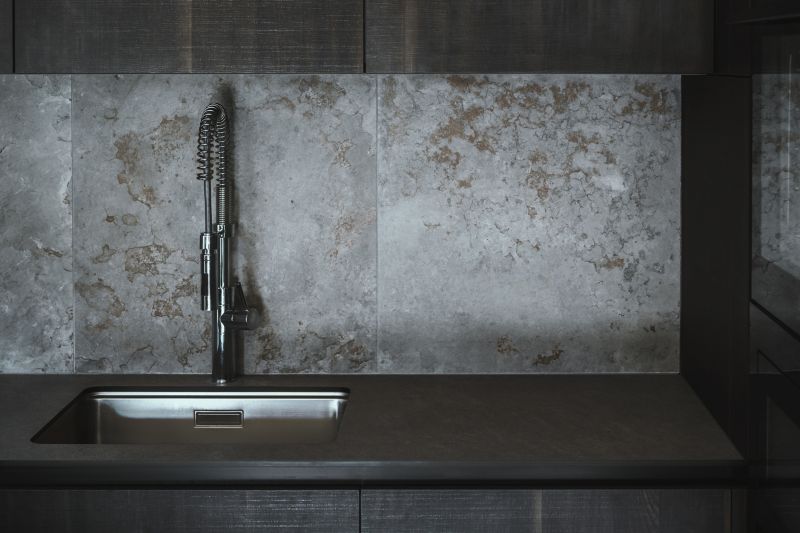
Showcasing polished, seamless surface.
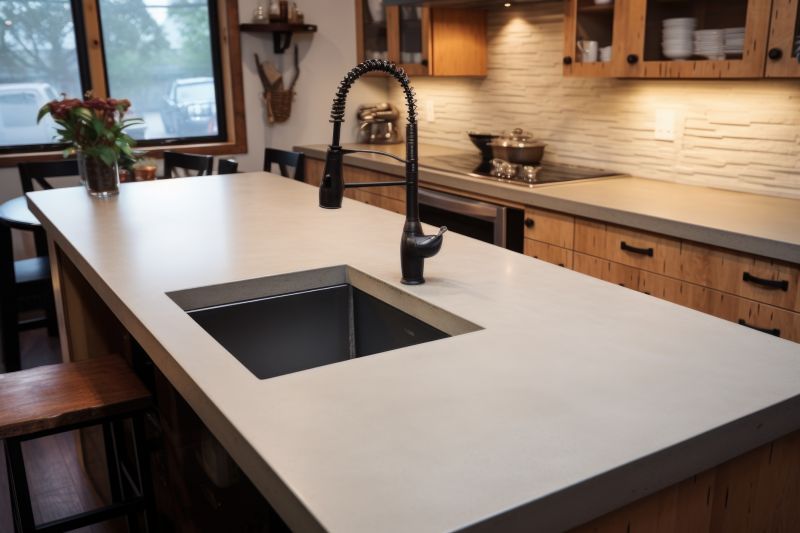
Lower-waste or water-saving choices for Concrete Countertop Installations.
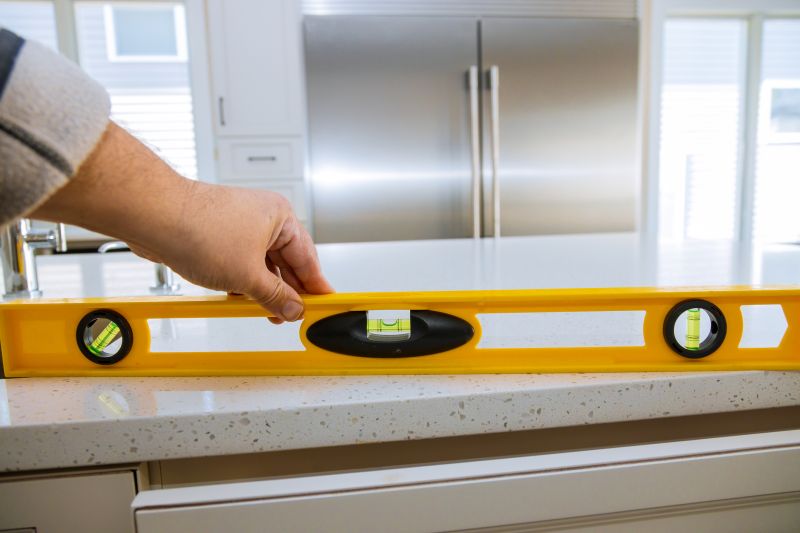
The short, realistic tool list for quality Concrete Countertop Installations.
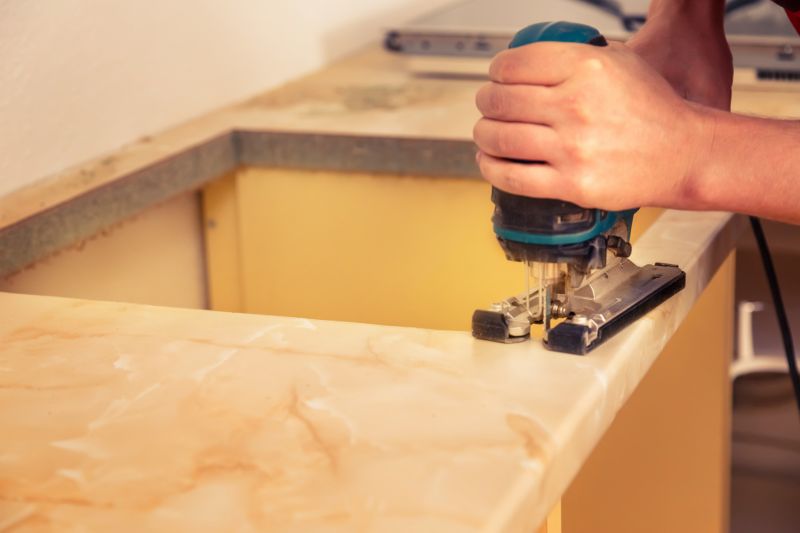
Rough timing from prep to clean-up for Concrete Countertop Installations.
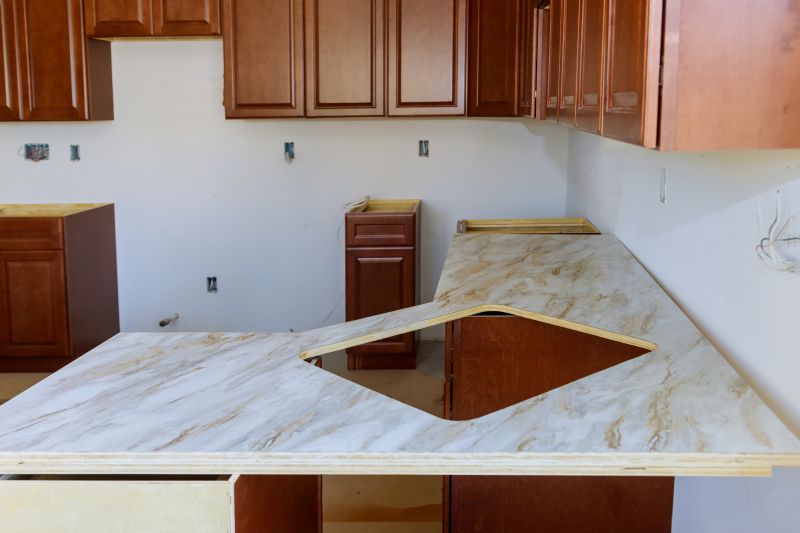
Quick checks and paperwork to keep after Concrete Countertop Installations.
Interested in concrete countertops? Filling out the contact form can provide more information and help schedule an installation during the optimal time for best results.